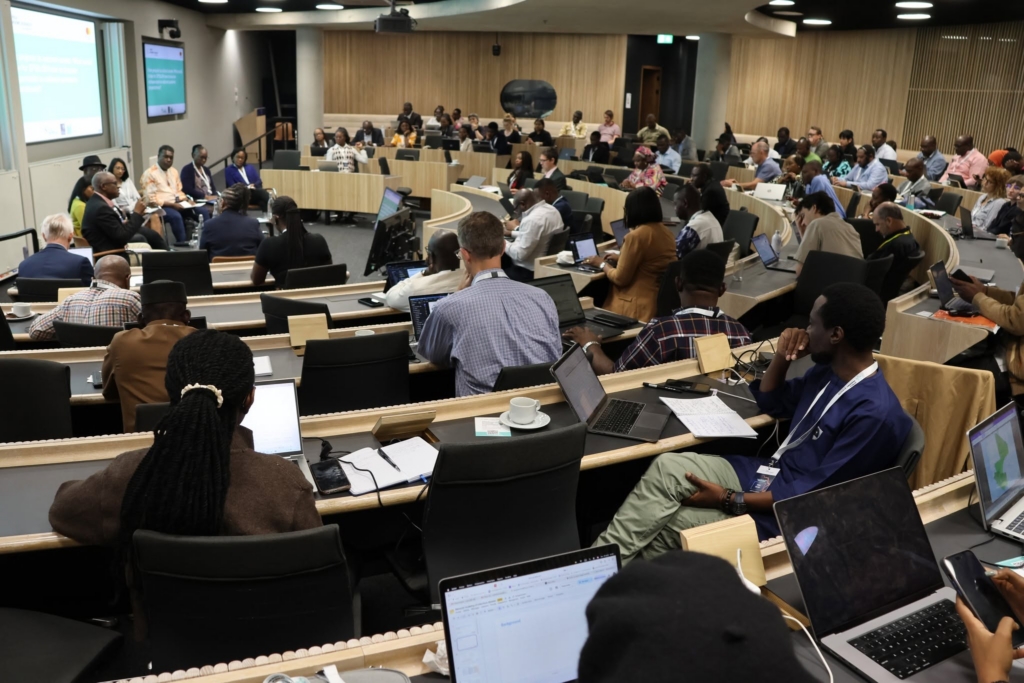
The fourth day of the African Pandemic Sciences Collaborative (APSC) annual meeting featured a plenary session dedicated to the APSC Consortium Leads. This was an opportunity for each of them to share experiences in pandemic preparedness and present scientific capabilities. VIDEO
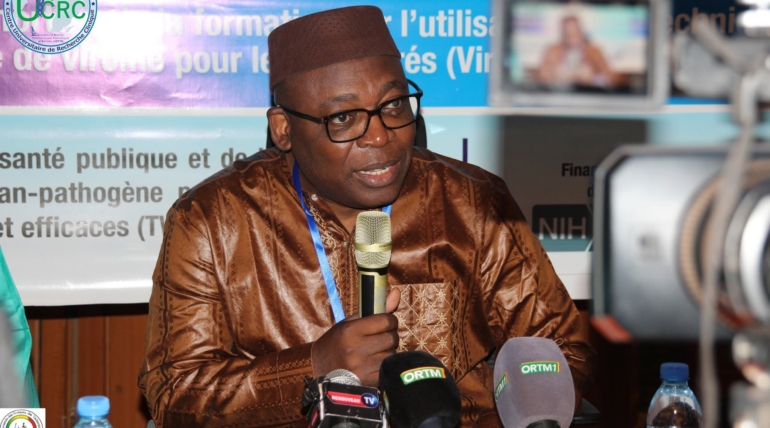
Professor Seydou Doumbia, Head of SC-GRA-WACCREP : “During the Ebola epidemic, there was immense widespread anxiety regarding the procedure to follow. If we had been forced to send all our samples to the CDC in Atlanta, the logistical challenge would have been insurmountable. Fortunately, thanks to our team’s rigorous preparation, we were able to carry out the analyses locally and detect the very first case of Ebola virus in Mali, while simultaneously handling diagnostics for Guinea.”.

He added that his proven expertise was demonstrated once again during the COVID-19 pandemic, where rapid responsiveness allowed to diagnose the first national case on March 25, 2020. “Since then, our laboratories have tirelessly continued the surveillance and diagnosis of dengue fever as well as other emerging pathogens.”, He said.
The discussions also highlighted the importance of strengthening ties with local authorities, to effectively make this expertise and these skills available to them. “For us, clinical research is not the exclusive preserve of clinicians. We view it as a fundamentally cross-disciplinary field that links biology to the social sciences. Our solid expertise in bioinformatics currently strengthens our position and makes our institution a true benchmark in the region. Furthermore, we operate as a consortium in perfect harmony with all member countries, while collaborating closely with their ministers of Health”, informed Prof. Doumbia.
Beyond these assets, training and capacity building for young scientists emerged as essential in pandemic preparedness, at both national and regional levels.
According to the Head of SC-GRA, one of their major assets lies in training and capacity building for human resources, in partnership with our various universities. This action effectively contributes to supporting our ministries in responding to epidemics. “Although a national institute of public health exists, we intervene rapidly whenever a need for sample diagnosis arises.”, he said.
The experience and skills acquired in health crisis management constitute a major asset for national authorities, who maintain increased vigilance against pandemics threats.
WACREP/SC-GRA Communication Office